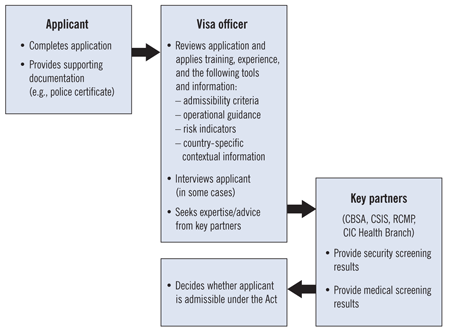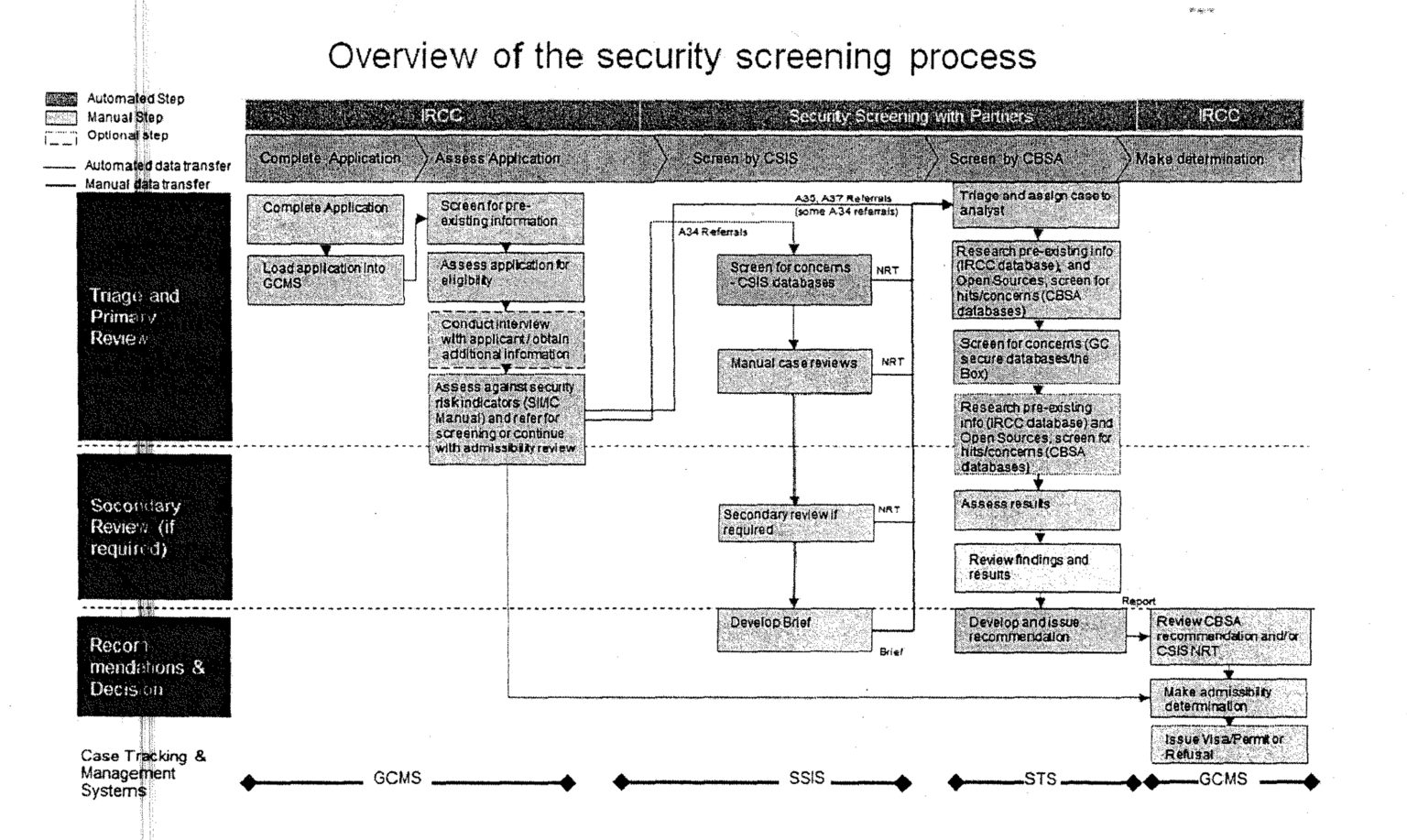

Security screening is not the first step in the processing of a Canadian immigration or visa application—it is only initiated after an IRCC officer completes a preliminary review of eligibility. This applies to all types of applications, including temporary visas (such as work permits, study permits, visitor visas, and temporary resident permits) and permanent residence.
Step 1: Eligibility Review Comes First
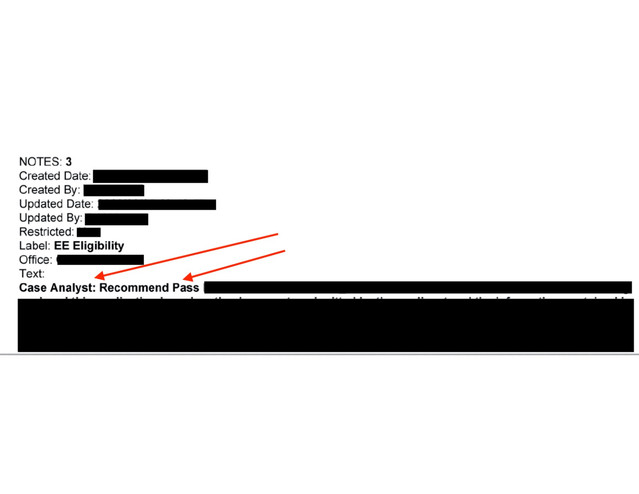
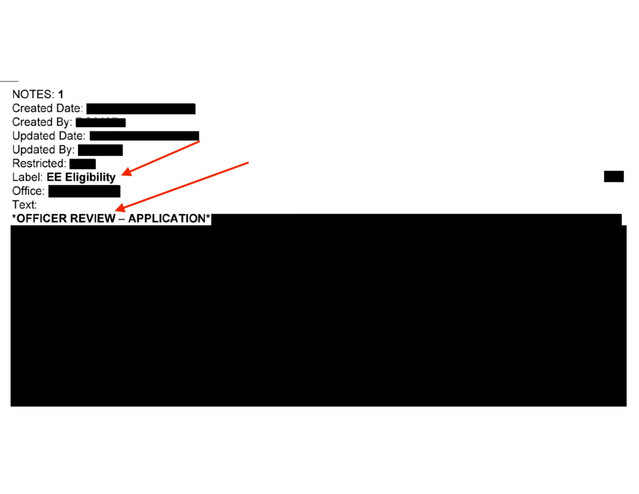
Before any security screening is initiated, an IRCC officer must complete a full review of your eligibility. If your application does not meet the basic eligibility criteria, your file will typically be refused or returned without moving forward to the security stage.
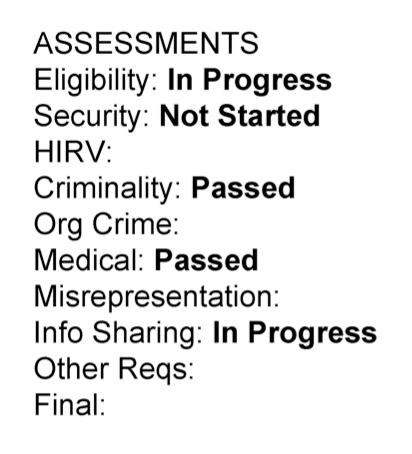
Only when an officer determines that you are eligible and you have passed the initial stages of assessment—including criminality and often medical checks—will your application proceed to the security screening phase. This means that by the time the security review begins, IRCC has already verified that your application meets basic program requirements and does not raise immediate criminal or health-related concerns.
Step 2: Security Screening Begins After Eligibility Is Confirmed
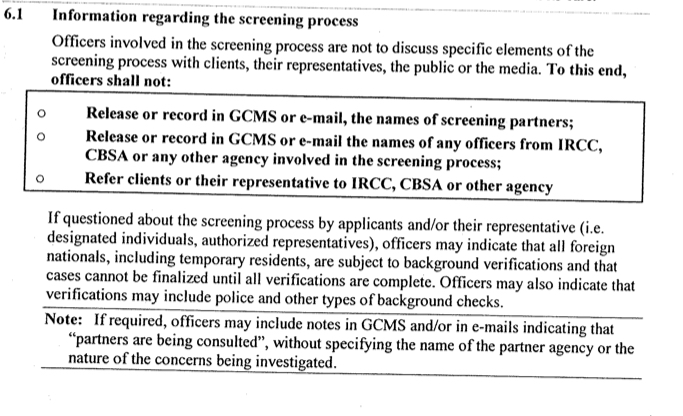
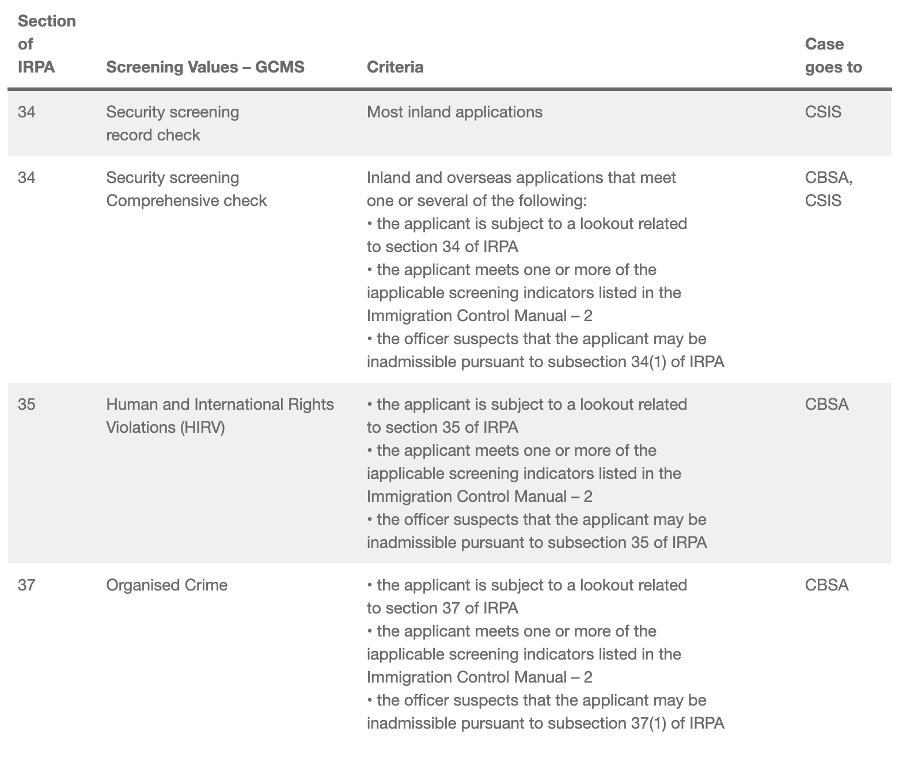
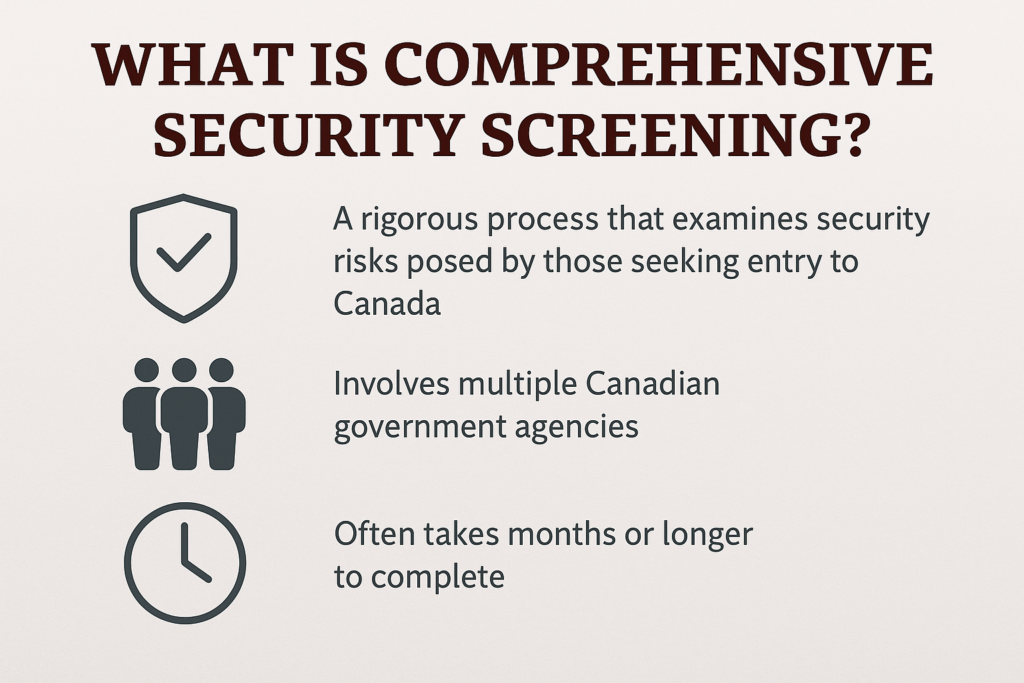
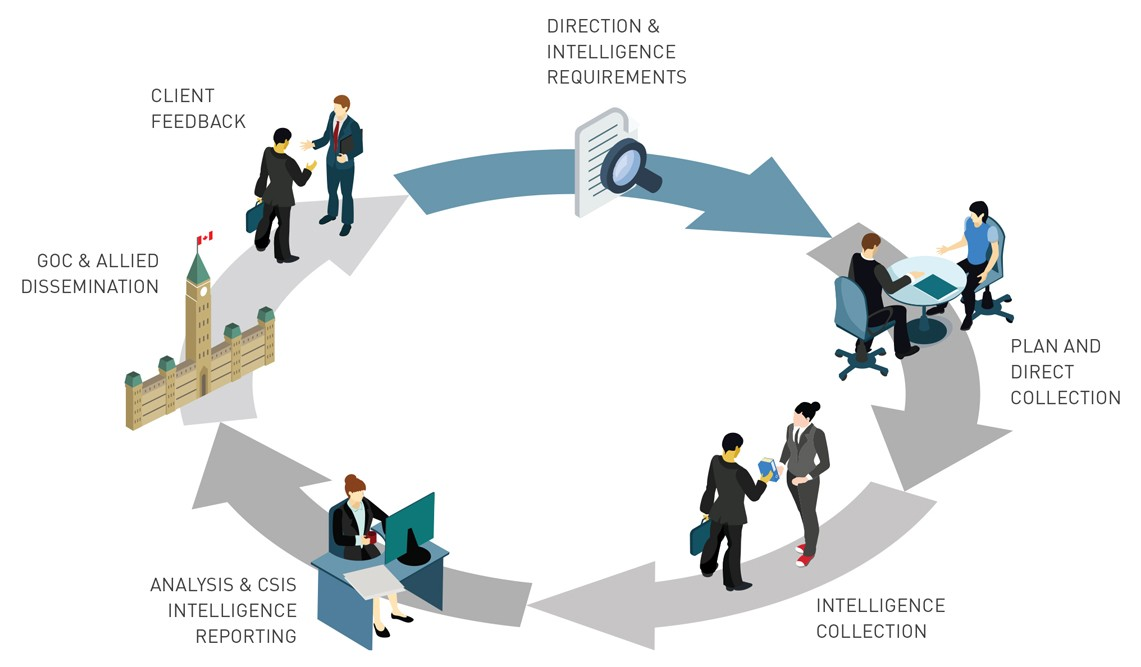
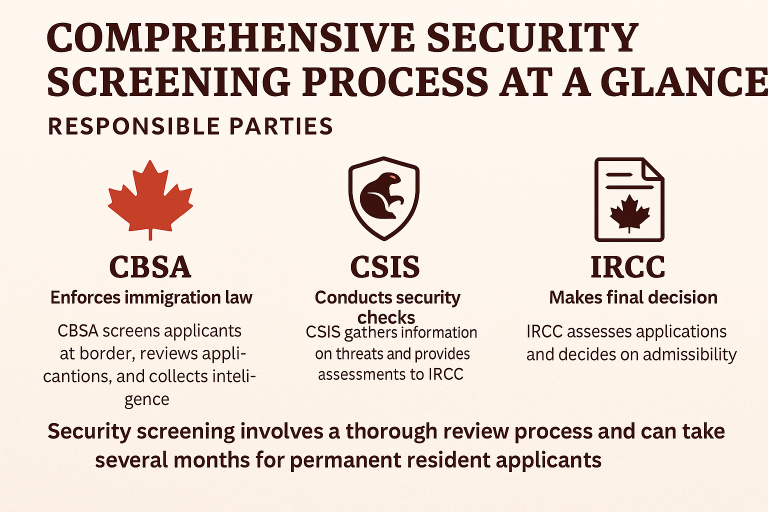
Security screening is usually the final stage in the processing of an immigration or visa application. Once you’ve passed eligibility, criminality, and usually medical assessments, your profile is forwarded for a more in-depth background check. This review is coordinated with partner agencies such as the Canada Border Services Agency (CBSA) and the Canadian Security Intelligence Service (CSIS), who evaluate whether there are any potential threats to Canada’s national security.
What Is “Admissibility” and Why Does It Matter?
To receive a temporary or permanent visa, an applicant must be found admissible under Canadian immigration law. Admissibility assessments are conducted by IRCC officers and are based on several potential grounds for refusal, as outlined under the Immigration and Refugee Protection Act (IRPA).
An applicant may be found inadmissible for one or more of the following reasons:
1. Security Reasons
Espionage
Subversion against any government (including democratic institutions)
Terrorism or inciting terrorism
Being a danger to Canada’s national security
Acts of violence that could endanger public safety
Membership in an organization believed to be involved in any of the above activities
2. Human Rights Violations
War crimes
Crimes against humanity
Participation in or support of regimes under international sanctions
3. Criminality
Criminal convictions inside or outside Canada, including for impaired driving (DUI)
4. Organized Crime
Membership in criminal organizations involved in people smuggling, drug trafficking, money laundering, etc.
5. Medical Grounds
Conditions that threaten public health or safety
Conditions that are likely to place excessive demand on Canada’s health or social services
6. Financial Grounds
Inability or unwillingness to support yourself or your family members
7. Misrepresentation
Providing false documents or withholding relevant information
This includes omissions or inaccuracies under the IRPA
8. Inadmissible Family Members
A family member’s inadmissibility may affect your own, even if your personal record is clear
9. Non-Compliance
Violating any requirement or provision of the IRPA or its associated regulations
Final Note: Why This Matters for You
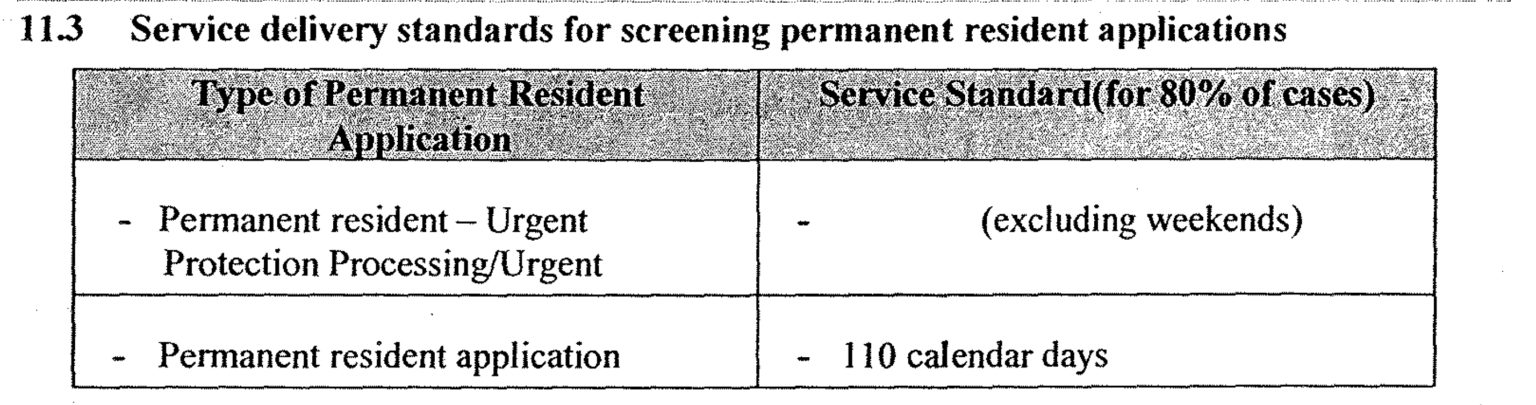
The decision to initiate a security screening is not random—it reflects that your application has advanced past initial checks and is now undergoing final, deeper review. Although this process may extend timelines, it is a necessary part of safeguarding Canada’s borders and institutions.
Understanding how and when security screening is triggered, and what it involves, can help you better track the status of your application and know what to expect if your file enters this stage.
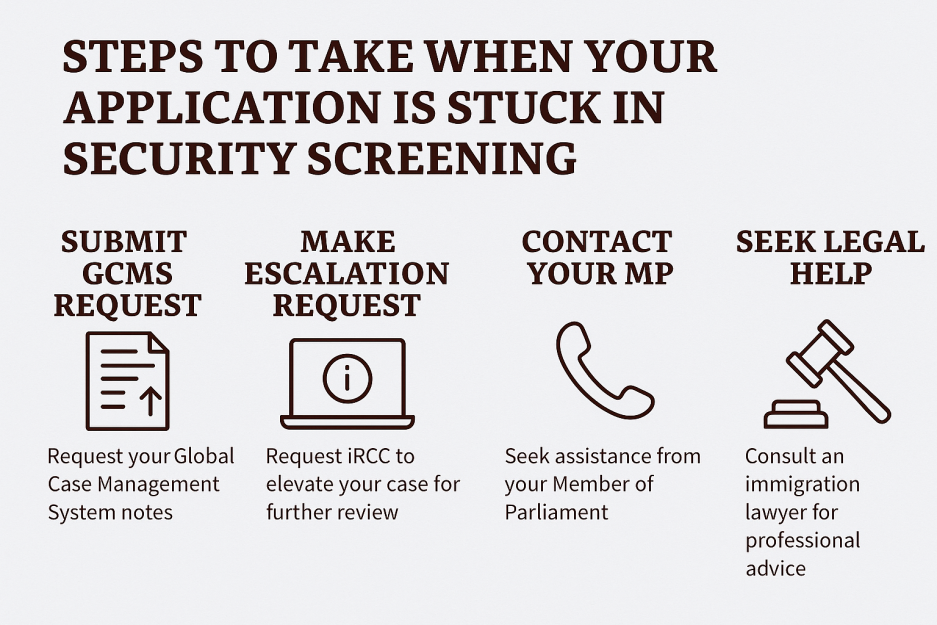
If your application remains in security screening for an unusually long period, consider requesting your GCMS notes or seeking professional legal advice to assess your options.